No two journalists’ careers are the same, but success often comes from two key things - dedication and years of experience.
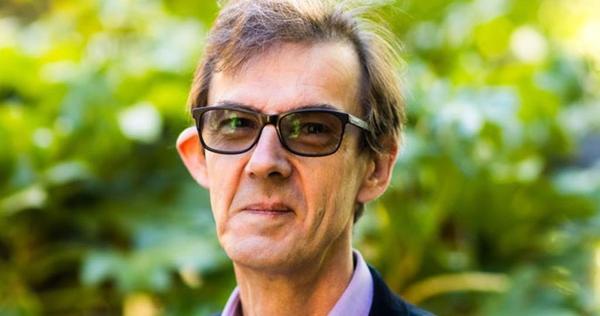
Gareth Jones’ award-winning career in radio and online writing has been built on this - from starting out on a golf magazine and working part-time at an NHS call centre, to being the lead news editor of DAZN.
But, in a career so heavily reliant on connections, how did he get his foot in the door?
“What drew me to journalism was probably my dad; he was a teacher, but part time he did commentary for Radio Leicester and Leicester Tigers. He used to play for Leicester Tigers in the 70s before he had to retire through injury. So rather than growing up watching him play rugby, I grew up watching him in the commentary box at Welford Road. It always felt like it's been in the blood.”
Jones went on to study journalism at Leeds Trinity University and still looks back it on fondly, especially for its focus on getting their students as much industry experience as possible.
“It's the most important thing and I think that's probably changed in a lot of universities over the years because I think they have caught on to the fact that practicality is more important - and is what employers are looking for. A lot of the other courses were predominantly media law and theory-driven, which is obviously important, but at the end you came out with a piece of paper. You didn't come out with a lot of actual practical skills saying, ‘I've done this, I've done that, or I've got a portfolio’.”
During his time at Trinity, Jones completed two five-week work placements, the first in Bradford at a TV advertising company assisting with the television side and setting up their radio advertising studio.
He went on to spend his second placement at the Yorkshire Evening Post working on their sports desk.
“I came out of university with those places on my CV and a portfolio of work I'd done in radio, TV advertising and sports journalism.”
Jones believes that the blend of practical learning and early experience prepared him perfectly for the world of journalism and once he left, he reached out to as many people as possible.
“We work in an incredibly busy industry, and it can be demoralising when people aren't getting back to you. But this industry, like a lot I suppose, is about ‘right place, right time’. So, I fired off a letter off to every single organisation I could think of. One got back to me and said, thanks, no thanks.
“No one else said anything, and then six …seven months later, Radio Leeds needed a broadcast assistant, and my letter just happened to be on their desk. At the time it was an easy fix for them to ring me and ask me to come in. On another day, my letter wouldn't have been there, or someone else's would have been on top of mine, and I'd be working a very different career.”
After leaving his first job, Jones went and freelanced across different radio stations from Radio Sheffield to Radio York and BBC 5 Live, working on sports but also news and live programming.
“I hated doing the news and loved the live programmes, but both really developed me in terms of what I wanted to do and helped me be a better producer, a better journalist.”
After a few years reporting on Rotherham United for Radio Sheffield, Jones became the sports editor at Radio Leeds before he was 30, making him one of the youngest sports editors in the country at the time.
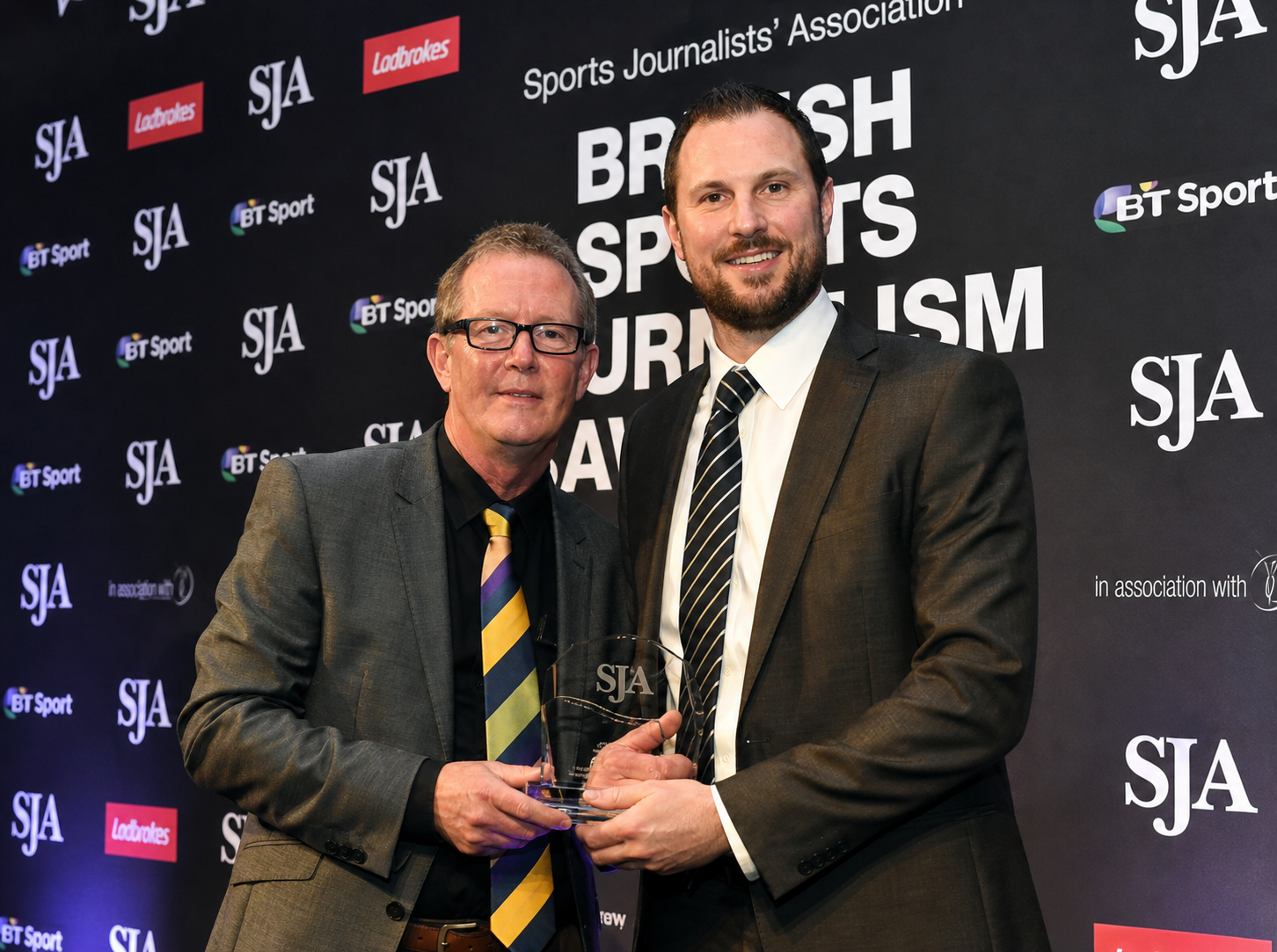
In five years, there, he won multiple broadcast awards including for their presentation of Huddersfield's promotion to the Premier League and a documentary on the Bradford City fire 30 years on.
“I then worked for Sporting Life for six years, in the corporate world. It was really good to get out of my comfort zone, learning how you do it in the real world.”
Jones is now the lead news editor at DAZN offices in Leeds even though he says he was never the most talented but just worked harder and learned. He looks for that same attitude and dedication the people he employs.
“Put yourself in the best position, send your portfolio to as many people as possible, get work experience and say yes to absolutely everything. If someone rings you at lunchtime on a Friday and says, ‘Can you come in and do a shift at 5pm tonight’ and you've got plans to go out with your mates, say yes to it. If you've got your backpack on and you're just about to leave, and the manager of the football team you follow for your job gets sacked, you can't just walk out the door and go, okay, I'm off to the cinema, someone else pick it up. You take your backpack off, and you work for the next four or five hours.
“That might sound tough, but if this is the right industry for you, you won't even think twice about it. You'll sit down and go, I love this.”